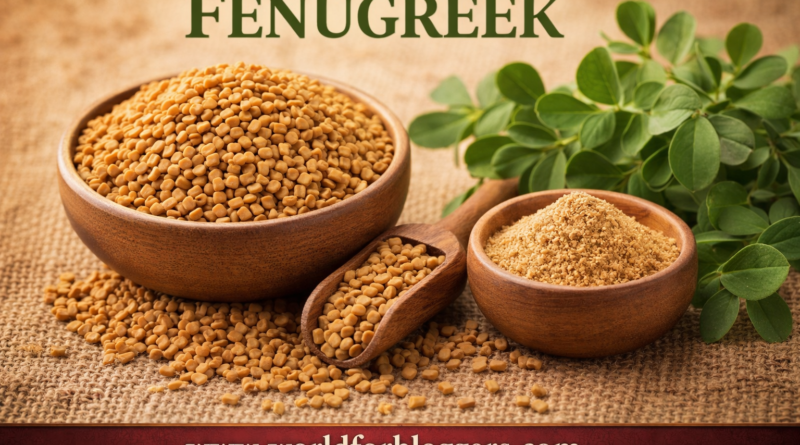
Foenegriek: The Ancient Spice for Modern Vitality and Flavor
In the fast-paced world of modern wellness, we often look for the “next big thing” in a laboratory. However, some of the most potent health tools have been sitting in our spice racks for millennia. One such treasure is foenegriek. Known scientifically as Trigonella foenum-graecum, this plant is a staple of both Mediterranean and Asian cultures, bridging the gap between a culinary delight and a medicinal powerhouse.
What is Foenegriek?
Belonging to the soy family, this plant produces long pods containing small, golden-brown seeds. While the leaves are often eaten as a vegetable (known as methi in Indian cuisine), it is the seeds that carry the most concentrated benefits. They possess a complex chemical profile, featuring a compound called sotolon, which is responsible for its distinct, sweet aroma that mimics maple syrup.
Despite its sweet scent, the raw seeds are quite bitter. This bitterness is a hallmark of many medicinal herbs, signaling the presence of beneficial alkaloids and glycosides. When cooked or sprouted, this profile mellows into a savory, nutty depth that defines many iconic spice blends, such as curry powder and garam masala.
A Journey Through Time
The history of this herb is as rich as its flavor. Evidence suggests it was cultivated in the Near East as early as 4000 BC. In ancient Egypt, it was used to induce childbirth and as a primary ingredient in incense. Even the famous Greek physician Hippocrates recognized its soothing properties for respiratory and digestive issues.
By the time it reached the Roman Empire, it was widely used as fodder for cattle—hence the name “Greek Hay.” Today, we have moved past using it solely for livestock, recognizing that foenegriek offers humans a sophisticated blend of soluble fiber, iron, magnesium, and specialized antioxidants.
The Science of Health: Why It Works
The modern scientific community has taken a keen interest in these seeds, moving beyond tradition to clinical trials. Here are the primary areas where this herb shines:
1. Blood Sugar Management
One of the most promising benefits is its impact on metabolic health. The seeds are high in galactomannan, a soluble fiber that slows down the absorption of sugar into the bloodstream. Furthermore, they contain an amino acid (4-hydroxyisoleucine) that may help the pancreas produce insulin more efficiently. This makes it a popular dietary addition for those managing insulin sensitivity.
2. Digestive Wellness
Because of its high mucilage content, the herb acts as a natural demulcent. When consumed, it forms a protective layer on the stomach and intestinal lining. This can be incredibly soothing for individuals suffering from acid reflux or general gastric inflammation.
3. Support for Nursing Mothers
Traditionally, it has been the go-to herb for increasing milk supply in breastfeeding women. While the exact mechanism is still being studied, many lactation experts suggest it can significantly boost production within 24 to 72 hours of consumption.
| Nutrient | Benefit |
| Soluble Fiber | Improves digestion and cholesterol levels |
| Iron | Supports energy levels and red blood cell production |
| Magnesium | Aids muscle function and nervous system health |
| Saponins | May help reduce inflammation and balance hormones |
Culinary Mastery: Bringing the Spice to Your Table
Integrating foenegriek into your daily routine doesn’t require a pharmacy; it requires a kitchen. If you are new to the flavor, start small.
- The Seeds: For a traditional touch, temper the seeds in hot oil or ghee before adding vegetables. This “blooms” the spice, releasing the essential oils while reducing the harsh bitterness.
- The Leaves: Dried leaves (Kasuri Methi) are a secret weapon in butter chicken or lentil soups. Simply crush them between your palms and sprinkle them over a dish at the very end of cooking.
- Sprouting: If you find the seeds too intense, try sprouting them. Sprouted seeds are crunchy, slightly spicy, and excellent in salads or sandwiches, offering a fresher take on the herb’s nutrient profile.
Safety and Considerations
While generally safe for most, there are a few things to keep in mind. Large doses can cause a harmless but surprising “maple syrup” smell in sweat and urine. More importantly, because it can lower blood sugar, those on diabetes medication should monitor their levels closely and consult a doctor. Additionally, due to its potential effect on uterine contractions, pregnant women are usually advised to avoid therapeutic doses.
The Environmental Angle
In our current era of environmental awareness, this plant stands out as a hero of sustainable agriculture. It is a nitrogen-fixing legume, meaning it naturally replenishes the soil it grows in. Farmers often use it as a cover crop to improve soil health for future harvests. By choosing foenegriek, you are supporting a crop that gives back to the earth as much as it gives to your body.
How to Store for Maximum Potency
To keep the volatile oils intact, store your seeds or powder in a cool, dark place in an airtight container. Whole seeds can last up to two years, whereas the powder begins to lose its aromatic punch after six months. If your spice smells like dusty hay rather than sweet maple, it’s time for a fresh batch.
Conclusion
From the tombs of Pharaohs to the modern spice aisle, foenegriek has remained a constant companion to human health and gastronomy. Its ability to bridge the gap between a medicinal supplement and a gourmet ingredient makes it unique in the botanical world. Whether you are looking to stabilize your energy levels, soothe your digestion, or simply master the art of the perfect curry, this ancient seed is a powerful ally.
By incorporating this “forgotten gold” into your lifestyle, you are tapping into a lineage of wellness that spans continents and centuries. It is a testament to the fact that sometimes, the best ways to move forward are found in the wisdom of the past.
Read also our recently blog: Beriful Cloth Shop