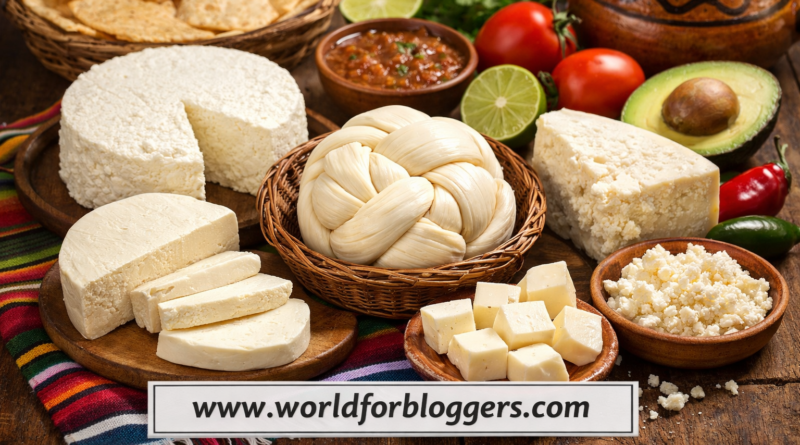
Mexican Cheese: A Culinary Journey Through Tradition and Flavor
When most people think of the global giants of the dairy world, their minds often drift toward the rolling hills of France or the alpine meadows of Switzerland. However, there is a vibrant, centuries-old tradition sitting right in the heart of North America that deserves equal billing. Mexican cheese is not just a topping for a taco; it is a complex tapestry of history, geography, and artisanal skill that has evolved from colonial influences into a unique gastronomic identity.
To understand the soul of Mexican cuisine, one must look past the yellow, processed shreds found in many grocery stores. The real story is found in the white, fresh, and aged wheels crafted in small towns from Chihuahua to Chiapas.
The Colonial Roots of a Modern Staple
It might come as a surprise to learn that before the 16th century, the concept of dairy was entirely foreign to Mesoamerica. The indigenous populations—including the Aztecs and Mayans—relied on plant-based proteins, corn, and wild game. It wasn’t until the arrival of the Spanish that cows, goats, and sheep were introduced to the landscape.
Over time, European cheesemaking techniques merged with local tastes and climates. Because of the intense heat in many parts of Mexico, fresh cheeses (quesos frescos) became the standard, as they could be made and consumed quickly without the need for long-term refrigeration or complex aging cellars. This necessity birthed a diverse family of dairy products that we now categorize under the broad umbrella of mexican cheese.
The “Big Three”: Essential Varieties You Need to Know
While there are dozens of regional varieties, three specific types dominate the culinary landscape and provide a perfect entry point for any food enthusiast.
1. Queso Fresco: The Versatile Crumble
The most ubiquitous of the bunch, Queso Fresco (literally “fresh cheese”) is a mild, milky, and slightly acidic delight. It doesn’t melt in the traditional sense; instead, it softens when heated. Its signature move is providing a salty, creamy contrast to spicy salsas and rich beans.
2. Queso Oaxaca: The Melting King
If you love a “cheese pull,” Oaxaca is your best friend. Named after the state where it originated, this cheese is made using a stretched-curd process similar to Italian mozzarella. It is wound into a ball (a bola) and has a buttery, savory flavor that makes it the gold standard for quesadillas and fundido.
3. Cotija: The Parmesan of Mexico
Aged and firm, Cotija is the “finishing touch” of the dairy world. It is dry, firm, and doesn’t melt at all. It is most famous for its role atop elote (Mexican street corn), where its punchy saltiness cuts through the sweetness of the corn and the richness of the crema.
Regional Specialties and Hidden Gems
As you move through the different states of Mexico, the flavor profiles of the local dairy shift. In the north, where cattle ranching is a way of life, you find Queso Chihuahua. Originally produced by Mennonite communities, this semi-soft cheese is incredibly similar to a mild cheddar or Monterey Jack and is prized for its reliability in baking and melting.
In the south, particularly in Chiapas, you might find Queso de Bola, which is encased in a red wax rind similar to Edam. This highlights the fascinating historical trade routes—Dutch influences made their way to the Yucatan and Chiapas, resulting in a local cheese that feels remarkably European yet distinctly Mexican.
Beyond the Taco: Innovative Ways to Cook with Mexican Cheese
While we all love a good enchilada, the culinary applications for these ingredients go much further. The unique textures of these cheeses allow them to behave in ways that cheddar or mozzarella simply cannot.
- Grilling Cheese: Varieties like Queso Panela have a high melting point. You can actually sear a slice of Panela in a hot pan or on a grill; it will develop a beautiful golden crust while remaining soft on the inside, much like Greek Halloumi.
- Stuffing Peppers: Because Queso Fresco and Cotija hold their shape, they are ideal for stuffing into poblano peppers for Chiles Rellenos. They provide a creamy interior without turning into an oily puddle.
- Dessert Pairings: In many parts of Mexico, a slice of salty cheese is served alongside sweet quince paste (ate) or even tucked into a warm concha (sweet bread) for a perfect salty-sweet breakfast.
The Nutritional and Artisanal Value
Traditional mexican cheese is often made with just a few ingredients: raw or pasteurized milk, salt, and rennet (or an acid like lime juice). Because many varieties are “fresh,” they retain a high moisture content and a bright, lactic acidity that is easier on the palate than heavy, aged cheeses.
Furthermore, supporting artisanal producers helps preserve the biodiversity of the region. Many small-scale queseros still use milk from grass-fed cows, resulting in a product that reflects the specific terroir of the mountains or plains where the cattle graze.
How to Store and Handle Your Cheese
Since many of these varieties are high-moisture, they require a bit more care than a block of aged gouda.
- Freshness is Key: Queso Fresco and Panela should be consumed within a week of opening. If they start to smell overly sour or develop a slimy film, it’s time to toss them.
- Avoid Excess Moisture: Store your cheese in an airtight container, but place a paper towel inside to absorb any excess brine that might seep out.
- The Freezer Rule: Most fresh mexican cheese varieties do not freeze well. The high water content causes the texture to become crumbly and grainy once thawed. It’s always better to buy in smaller quantities and enjoy it fresh.
Why Quality Matters
As the popularity of Latin American flavors grows globally, many mass-produced versions of these cheeses have hit the shelves. While convenient, these “style” cheeses often use stabilizers and gums to mimic the texture of the real thing. To truly experience the depth of mexican cheese, look for labels that indicate traditional methods or seek out local Mexican markets (mercaditos) where the turnover is high and the products are authentic.
The difference in flavor is night and day. An authentic Oaxaca will pull apart in long, elegant strings (like string cheese but better), whereas a processed version may feel rubbery and lack that signature buttery finish.
The Future of the Craft
Today, chefs around the world are rediscovering these ingredients. From high-end tasting menus in Mexico City to trendy bistros in London, the versatility of mexican cheese is being celebrated. It is no longer viewed as a “substitute” for European styles, but as a premier ingredient in its own right—one that carries the history of a nation and the passion of the people who make it.
Whether you are crumbling some salty Cotija over a salad or melting a thick layer of Chihuahua over a skillet of chorizo, you are participating in a tradition that spans centuries. It is a testament to how simple ingredients—milk and salt—catransformed into a cultural icon.
Read also our recently blog: Analyze the minnesota vikings vs seahawks match player stats to discover how Seattle’s defense dominated in a historic shutout victory on November 30, 2025.