Nukleotidy: The Invisible Architects of Vitality and Genetic Integrity
Imagine having a master blueprint that contains every instruction for building and operating the human body. This guide would need to be incredibly complex yet compressed into microscopic dimensions. In the biological world, this monumental task is handled by nucleic acids, whose fundamental building blocks are nukleotidy. While we rarely discuss them over morning coffee, life as we know it simply would not exist without these tiny, tireless molecules.
In this article, we will dive deep into the world of molecular biology, explore the structural elegance of these units, and discover why they have recently become a focal point for scientists, longevity experts, and sports nutritionists alike.
What Exactly Are They?
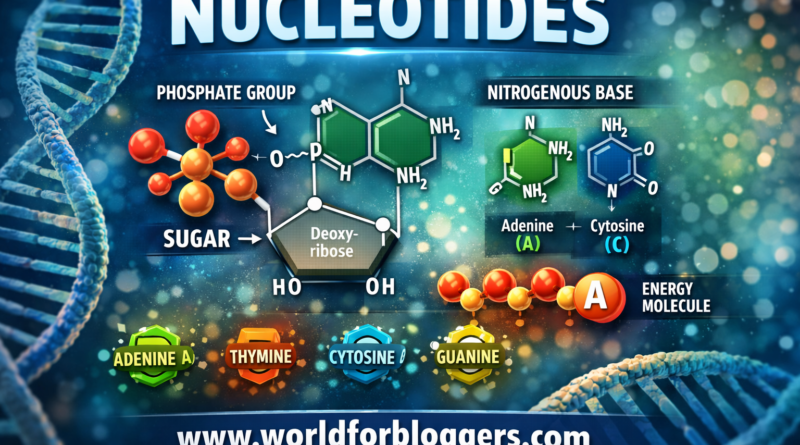
From a chemical perspective, these molecules are organic compounds consisting of three essential components: a nitrogenous base, a five-carbon sugar (pentose), and at least one phosphate group. This specific trio creates a unit that can chain together into long strands, forming DNA (deoxyribonucleic acid) or RNA (ribonucleic acid).
Think of them as letters in an alphabet. A single letter like “A” or “G” carries a specific piece of information, but only their precise arrangement into words and sentences gives meaning to the story—in this case, the genetic code of a living organism.
Structure and Variety: Beyond Genetics
In the human body, we primarily encounter five nitrogenous bases that define the identity of each of the nukleotidy. These are adenine (A), guanine (G), cytosine (C), thymine (T), and uracil (U). While thymine is found exclusively in DNA, uracil takes its place within RNA molecules.
However, there are forms that do more than just act as “bricks” for construction. For instance, adenosine triphosphate (ATP) is essentially the energy currency of the cell. Every time you blink an eye or lift a weight, your body breaks down these molecules to release the energy required for muscle contraction. Without the constant recycling of these substances, life processes would cease within seconds.
Significance in Human Diet and Recovery
For a long time, it was believed that the human body could manufacture a sufficient supply of these substances on its own (a process known as de novo synthesis). However, modern research suggests that during certain periods—such as rapid growth, wound healing, intense athletic training, or periods of immune suppression—the demand may exceed what the body can produce internally.
This is where dietary intake becomes crucial. Foods naturally rich in these components include:
- Organ meats (especially liver and kidneys)
- Seafood and fatty fish
- Legumes and beans
- Nutritional yeast
Currently, nukleotidy are becoming a popular ingredient in dietary supplements for athletes and postoperative patients. They are known to help accelerate the renewal of mucous membranes, particularly in the digestive tract, and support the production of white blood cells, which is vital for a robust immune response.
Role in Modern Medicine and Diagnostics
If we were to look for a field where these molecules have caused a true revolution, it is medicine. DNA sequencing technology now allows us to “read” the order of individual bases in a patient’s genome. This enables the identification of genetic predispositions to diseases long before the first symptoms appear.
Furthermore, synthetic analog nukleotidy are used as powerful therapeutic agents. In oncology, they are utilized to halt the uncontrolled division of cancer cells. In the treatment of viral infections, such as HIV or hepatitis, they act as “counterfeit building blocks.” The virus incorporates these into its genetic material, which effectively terminates its ability to replicate.
Gut Health and the Microbiome Connection
The intestinal lining is one of the fastest-regenerating tissues in the human body. Cells here are replaced every few days. This process requires a massive amount of material to build new DNA. Studies indicate that available nukleotidy in the diet can significantly improve the integrity of the intestinal barrier.
This is excellent news for individuals suffering from food intolerances or “leaky gut” syndrome. If the body has “ready-made” parts available, it does not need to expend as much energy on the complex synthesis from scratch, which speeds up the healing process and improves nutrient absorption.
The Future: Personalized Nutrition
As research advances, it seems we are approaching an era where we can precisely define the requirement for these substances for every individual. Athletes will be able to optimize their recovery after performance, while the older generation might use these supplements to support cognitive function and immunity, which naturally weakens with age.
It is fascinating to observe how molecules discovered back in the 19th century are still revealing new secrets today. It turns out that nukleotidy are not just a static code within our cells, but dynamic players influencing everything from our mood to our body’s ability to fight off infections.
Conclusion
Understanding the micro-world within us opens doors to better health. Whether we view them as the foundation of heredity, a source of cellular energy, or the key to a strong immune system, their importance is indisputable. Investing in the knowledge of how to support these fundamental processes—through quality diet, rest, and targeted supplementation—will pay off in the form of long-term vitality and resilience.
In the coming decade, we will likely see an even closer connection between genetics and daily lifestyle. And at the heart of this connection will always be these small but mighty building units of life.
Read also our recently blog: CFCDaily