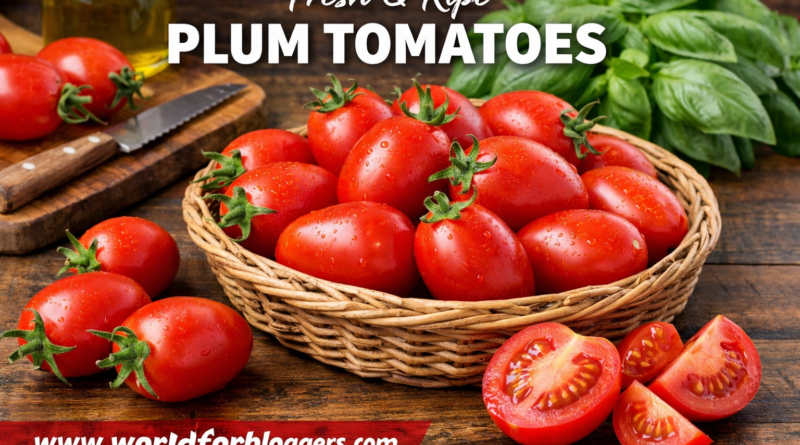
Plum Tomatoes: The Chef’s Secret to Perfect Sauces and Salads
In the vibrant world of gardening and gastronomy, few ingredients command as much respect as the plum tomatoes. While the flashy, oversized beefsteaks and the candy-sweet cherries often grab the initial spotlight, it is the sturdy, dependable plum variety that does the heavy lifting in kitchens across the globe.
Whether you are simmering a Sunday gravy that would make a nonna proud or looking for a fruit that holds its shape under the high heat of a grill, understanding this specific category of tomato is essential. This guide dives deep into the heart of the “sauce tomato,” exploring its history, culinary advantages, and why it deserves a permanent spot in your pantry.
What Makes a Tomato a “Plum”?
Not all tomatoes are created equal. To the untrained eye, a tomato is just a red orb, but the plum variety is defined by its distinct physical and chemical makeup.
Texture and Density
The most striking feature of plum tomatoes is their low moisture content. Unlike slicing tomatoes, which are filled with watery seed cavities (locules), plum types are “meaty.” They have thick walls and very few seeds. This high ratio of flesh to juice is exactly what makes them the gold standard for cooking; you spend less time boiling away excess water and more time intensifying flavor.
Shape and Size
Typically oval or cylindrical, these fruits are generally small to medium in size. They lack the ribs of larger heirloom varieties, presenting a smooth, firm skin that peels easily after a quick blanching—a crucial step for professional-quality preserves.
The Italian Connection: San Marzano and Beyond
When discussing this fruit, one cannot ignore the San Marzano. Grown in the volcanic soil of the Sarno River valley near Mount Vesuvius, the San Marzano is the most famous sub-variety of plum tomato in the world.
| Variety | Best Use | Flavor Profile |
| San Marzano | Authentic Italian Sauces | Bittersweet, low acidity, complex |
| Roma | General Cooking & Canning | Balanced, mild, widely available |
| Amish Paste | Salsas & Slicing | Sweeter, larger than average plums |
| Juliet | Salads & Roasting | Very sweet, crack-resistant |
The “Roma” tomato is perhaps the most ubiquitous version found in grocery stores. While it may lack the protected designation of origin (DOP) status of its Italian cousins, its reliability and firm texture make it a staple for home cooks everywhere.
Nutritional Powerhouse: More Than Just Flavor
Beyond their culinary utility, plum tomatoes are a nutritional goldmine. They are one of the richest sources of lycopene, a powerful antioxidant that has been linked to heart health and a reduced risk of certain cancers.
- Lycopene Bioavailability: Interestingly, the lycopene in these tomatoes becomes more accessible to the body once they are cooked. This makes the plum variety—which is almost always destined for the stove—the healthiest way to consume this nutrient.
- Vitamin Content: They are packed with Vitamin C, Vitamin K, and Potassium.
- Fiber: Due to their dense flesh, they provide a higher fiber-to-volume ratio than more watery varieties.
Culinary Applications: Why Chefs Reach for the Plum
If you’ve ever tried to make a tomato sauce using large, watery slicing tomatoes, you’ve likely ended up with a pale, thin liquid that lacks “oomph.” This is where the specific structure of plum tomatoes changes the game.
1. The Ultimate Sauce
Because they have less water, the cooking time is halved. This prevents the fresh flavor of the fruit from becoming “over-cooked” or metallic. A quick sauté with garlic, olive oil, and a handful of these tomatoes creates a vibrant, chunky pomodoro in minutes.
2. Sun-Drying and Roasting
Their firm walls allow them to withstand long periods of dehydration without disappearing into nothingness. When halved and slow-roasted with herbs, they transform into umami bombs—chewy, intense, and perfect for topping focaccia or tossing into pasta.
3. Salsas and Salads
In a Pico de Gallo, you want crunch and bite. A watery tomato will turn your salsa into a soup within twenty minutes. Using a plum variety ensures that your onions, cilantro, and lime juice stay crisp and distinct.
Growing Your Own: A Home Gardener’s Guide
Growing plum tomatoes is remarkably rewarding because they tend to be “determinate” or “semi-determinate.” This means the plant grows to a certain height and produces most of its fruit at once—perfect for those who want to do a large batch of canning in a single weekend.
Soil and Sunlight
Like all tomatoes, they crave at least 6 to 8 hours of direct sunlight. They prefer slightly acidic soil with a pH between 6.0 and 6.8.
The Secret to Flavor
The flavor of a tomato is a balance between sugars and acids. To boost the sugar content in your home-grown plums, ensure they have consistent watering. Irregular watering leads to “blossom end rot,” a common frustration where the bottom of the fruit turns black and leathery. Calcium-rich soil is the best defense against this.
Pro-Tip: If you are growing in containers, look for “Patio” or “Roma” bush varieties. They provide a massive yield without requiring a 6-foot trellis system.
Storage: The Golden Rule
The quickest way to ruin high-quality plum tomatoes is to put them in the refrigerator. Cold temperatures (below 12°C or 54°F) break down the cell membranes and destroy the volatile compounds responsible for flavor. The result is a mealy, tasteless fruit.
Instead, keep them on your counter, stem-side down, away from direct sunlight. If you have an abundance that you can’t use immediately, it is better to freeze them whole in a freezer bag. When you’re ready to make a sauce, the skins will slip right off under warm water!
Sustainability and Sourcing
In today’s market, consumers are increasingly concerned with where their food comes from. When shopping for canned versions, look for “Steam Peeled” labels. This indicates the skins were removed using heat rather than chemicals (like lye). Furthermore, choosing organic options ensures you are avoiding the synthetic pesticides that can often linger on the thin skins of the fruit.
While fresh is often best, high-quality canned plum tomatoes are one of the few instances where the preserved version can actually be superior to the fresh “out of season” version found in winter. Picked at the peak of ripeness and processed immediately, they lock in the summer sun.
Conclusion: The Backbone of the Kitchen
Whether you are a professional chef or a home cook looking to elevate your Tuesday night dinner, the plum tomatoes are an indispensable tool. Their unique combination of low moisture, high meatiness, and concentrated flavor makes them the undisputed champions of the cooked tomato world. From the volcanic slopes of Italy to your backyard garden, these fruits represent the intersection of simplicity and culinary excellence.
Next time you’re at the market, look past the giant, watery globes and reach for the firm, modest-looking plum variety. Your palate (and your pasta) will thank you.
Read also our recently blog: Lucipara: Unveiling the Banda Sea’s Best-Kept Secret