
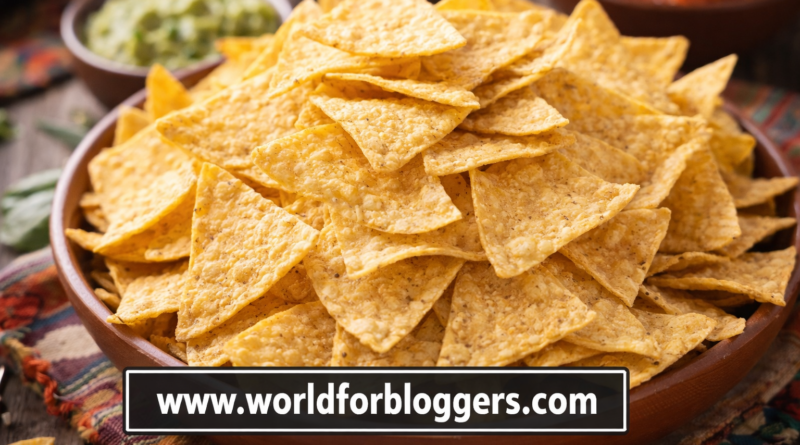
Totopos: The Crunchy Soul of Traditional Mexican Cuisine
In the global landscape of snack foods, few items are as universally recognized yet frequently misunderstood as the humble golden triangle of fried or toasted corn. While much of the world refers to them simply as “chips,” in their homeland of Mexico, they carry a name rooted in ancient history and culinary necessity: totopos.
These crisp morsels are more than just a vehicle for salsa; they represent a thousand-year-old relationship with corn, a masterclass in food preservation, and the literal foundation of some of the most beloved dishes in Latin American gastronomy. To understand this crunchy staple is to understand the rhythm of the Mexican kitchen.
The Linguistic and Historical Roots
The word itself finds its origins in the Nahuatl language, spoken by the Aztecs. Derived from tlaxcaltotopochtli, the name is a compound of tlaxcalli (tortilla) and totopochtli (thunder or crunch). This poetic etymology perfectly describes the sensory experience of eating them—a sound so distinct it was likened to a small clap of thunder.
Historically, these were not created for parties or cinema snacks. They were a solution to a practical problem: waste. In traditional Mexican households, the daily ritual of making fresh corn tortillas often resulted in leftovers. Because nixtamalized corn dough (masa) begins to lose its moisture quickly, day-old tortillas become leathery. By slicing these tortillas into triangles and frying or toasting them, cooks extended the life of the corn, transforming a stale byproduct into a durable, delicious staple.
The Science of the Crunch: Nixtamalization
You cannot talk about authentic Mexican corn products without mentioning nixtamalization. This is the process where dried corn is soaked and cooked in an alkaline solution, usually limewater (calcium hydroxide).
This process is what gives the corn its distinctive aroma and unlocks its nutritional value, specifically B vitamins and protein. When a tortilla made from nixtamalized masa is fried to create a batch of totopos, the chemical structure of the corn allows it to puff slightly and develop a complex, nutty flavor that modern, highly processed “corn chips” simply cannot replicate.
Totopos vs. Tortilla Chips: Is There a Difference?
To the casual observer, the terms might seem interchangeable, but for the culinary purist, the distinction is significant.
| Feature | Authentic Totopos | Commercial Tortilla Chips |
| Origin | Made from pre-cooked, sliced tortillas. | Often made from fresh masa extruded into shapes. |
| Texture | Denser, more robust, and “toothy.” | Lighter, airier, and more prone to breaking. |
| Ingredients | Corn, water, lime (stone-ground), and oil. | May include corn flour, stabilizers, and flavorings. |
| Purpose | Designed to hold heavy toppings (beans, meat). | Designed for light dipping or solo eating. |
In short, the traditional version is a structural powerhouse. It is built to survive the moisture of a heavy salsa or the weight of a loaded scoop of guacamole without snapping mid-air.
The Culinary Versatility of Corn Triangles
While many see them as an appetizer, in Mexico, they are a fundamental ingredient. Here are the three primary ways they dominate the menu:
1. The Foundation of Chilaquiles
Perhaps the most famous use of these crunchy triangles is in chilaquiles. This breakfast staple involves simmering the chips in either a red (roja) or green (verde) salsa until they soften slightly but retain a hint of their core crunch. Topped with crema, crumbled queso fresco, raw onions, and often a fried egg, it is the ultimate “comfort food” that breathes new life into the corn.
2. The Garnish for Sopa de Azteca
Also known as Tortilla Soup, this dish relies on thin strips of fried corn for texture. The crunch provides a necessary contrast to the rich, pasilla chili-infused broth, creamy avocado, and melted cheese.
3. The Structural Support for Botanas
In the cantinas of Oaxaca or Mexico City, totopos are served as botanas (appetizers). They aren’t just tossed in a bowl; they are often served alongside a plate of refried beans topped with cheese or a vibrant, chunky pico de gallo. Because they are fried from actual tortillas, they have the “structural integrity” to act as an edible spoon.
Regional Variations Across Mexico
Mexico’s geography is as diverse as its flavors, and the way these corn crisps are prepared varies by state:
- Oaxaca: Here, you might find the “Totopo de Istmo.” These are large, perforated, and toasted in a clay oven (comal) rather than fried. They are incredibly shelf-stable and have a smoky, toasted flavor that is entirely unique to the region.
- The North: In states like Sonora, you often see thinner, larger versions that reflect the region’s preference for lighter textures.
- Yucatán: Here, they might be seasoned with a hint of achiote or served with sikil p’ak, a Mayan pumpkin seed dip.
Making Them at Home: The Traditional Way
If you want to experience the authentic taste, the secret lies in using “old” tortillas. Fresh tortillas contain too much moisture and will become chewy rather than crisp when fried.
- Dry Them Out: Take corn tortillas and leave them out on the counter for a few hours or overnight until they feel slightly stiff.
- The Cut: Slice them into six or eight triangles.
- The Oil: Heat a neutral oil (like vegetable or grapeseed) to about 350°F (175°C).
- The Fry: Fry in small batches. They should sizzle vigorously. Once they turn a light golden brown and the bubbling subsides—indicating the moisture is gone—remove them.
- The Seasoning: Salt them immediately while the oil is still wet on the surface so the grains stick.
Health and Nutrition
While they are a fried food, when made traditionally, they are a gluten-free, whole-grain snack. Because they are made from nixtamalized corn, they provide more fiber and minerals than flour-based snacks. For a healthier alternative, many modern kitchens bake their totopos in a high-heat oven, which yields a satisfying crunch with significantly less fat.
The Global Rise of the Corn Chip
Today, you can find bags of corn chips in almost every corner of the globe. However, the mass-produced versions often lose the soul of the original. They are frequently oversalted or dusted with artificial cheese powders. Returning to the authentic totopos is a way of honoring the craftsmanship of Mexican nixtamalization. It is an appreciation for a food that refuses to be “junk,” insisting instead on being a hearty, flavorful component of a real meal.
Conclusion
From the ancient kitchens of the Aztecs to the modern brunch tables of New York and London, this simple corn creation has conquered the world. Whether you are scooping up a smoky chipotle salsa or diving into a plate of spicy chilaquiles, the totopos remains the unsung hero of the plate—providing the rhythm, the texture, and the “thunder” that makes Mexican cuisine so vibrant.
Next time you reach for a bag of chips, remember the centuries of tradition packed into that golden triangle. It isn’t just a snack; it’s a piece of history you can crunch.
Read also our recently blog: Rail Operating Centre