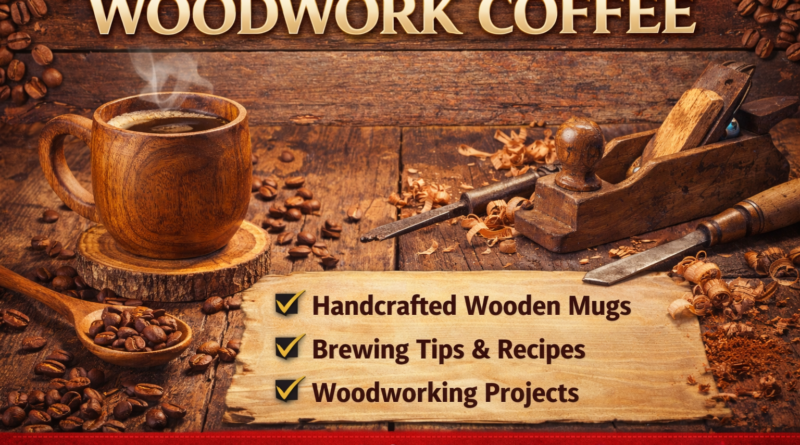
Woodwork Coffee: Crafting the Ultimate Organic Brew Station
There is a profound, almost primal connection between the ritual of a morning brew and the tactile nature of timber. When we talk about a woodwork coffee station, we aren’t just discussing a place to set a mug; we are exploring a lifestyle choice that favors slow living, craftsmanship, and the grounding scent of cedar or oak over the sterile click of plastic appliances.
In an era dominated by high-gloss finishes and brushed steel, the return to organic materials in our kitchens serves as a much-needed tether to the natural world. Integrating wood into your caffeine routine transforms a functional task into an aesthetic experience.
The Psychology of Grain and Grinds
Why does wood feel so right in a coffee context? It’s about the sensory transition. The process of making coffee is a transformation of earth-grown beans into liquid energy. Using a woodwork coffee tray or a hand-turned walnut scoop bridges the gap between the bean’s origin and the final cup.
Wood is a “warm” material, both thermally and visually. While a marble countertop can feel cold to the touch at 6:00 AM, a wooden coffee bar offers a soft, inviting invitation to start the day. This synergy creates a sanctuary within the home—a micro-environment dedicated to focus and flavor.
Designing Your Coffee Nook: Material Matters
If you are looking to build or curate your own space, selecting the right species of timber is paramount. Not all wood is created equal when it comes to the humidity and heat associated with brewing.
- Black Walnut: Prized for its deep, chocolatey tones. It hides coffee stains well and provides a premium, “executive” feel to any setup.
- White Oak: Known for its incredible durability and beautiful straight grain. It fits perfectly in Scandinavian or “Japandi” style interiors.
- Maple: A lighter option that makes a small kitchen feel airy. However, be wary of its light color, which may show splashes more easily if not sealed properly.
The Essential Elements of an Artisan Station
To achieve a cohesive woodwork coffee aesthetic, you don’t need to replace your expensive espresso machine. You simply need to frame it with natural textures. Consider these upgrades:
- The Live-Edge Floating Shelf: Perfect for displaying your Chemex, V60, and canisters. The raw edge provides a rugged contrast to the precision of glass carafes.
- Hand-Turned Tamper Handles: If you use a portafilter, replacing a plastic handle with a custom-turned piece of olive wood changes the entire ergonomic feel of the pull.
- The Wooden Drip Tray Base: Many enthusiasts are now building custom wooden “sleeves” for their machines, softening the industrial look of stainless steel.
The Intersection of Function and Art
The beauty of a woodwork coffee project lies in its utility. Unlike a sculpture that sits on a pedestal, these pieces are meant to be handled. They develop a patina over time—a record of every spill, every morning rush, and every slow Sunday pour-over.
For the DIY enthusiast, creating a simple pour-over stand is an excellent entry-point project. By using a basic mortise and tenon joint, you can create a sturdy frame that holds a glass dripper aloft. It’s a functional piece of art that eliminates the need for bulky electric machines that take up valuable counter space.
Maintenance: Keeping the Grain Gorgeous
One concern many have with mixing wood and liquids is the risk of warping or rot. However, with the right approach, your timber accessories can last a lifetime.
- Food-Safe Finishes: Always use a food-grade mineral oil or a beeswax/carnauba wax blend. This creates a hydrophobic barrier that allows water to bead off the surface rather than soaking in.
- Immediate Cleanup: While a well-oiled woodwork coffee board can handle a splash, you shouldn’t let acidic coffee sit on the surface for hours. A quick wipe with a damp microfiber cloth is usually all it takes.
- Avoid the Dishwasher: This is the golden rule. The high heat and harsh detergents of a dishwasher will strip the natural oils and cause the wood to crack.
Sustainable Brewing: The Ethical Choice
Choosing wood over plastic isn’t just an aesthetic win; it’s an environmental one. High-quality wooden tools are heirloom items. When you invest in a solid teak stir-stick or a hand-carved storage box, you are opting out of the “disposable” culture that plagues modern appliances.
Furthermore, many artisans who specialize in woodwork coffee accessories use reclaimed timber or “shorts”—scraps from larger furniture builds that would otherwise be discarded. This circular economy ensures that your morning habit has a smaller carbon footprint.
Curating the Atmosphere
To truly complete the experience, think beyond the tools. The “Woodwork Coffee” vibe is about the environment.
- Lighting: Use warm-toned Edison bulbs to highlight the amber hues of the wood grain.
- Greenery: A small potted plant, like a Pothos or even a miniature coffee plant (Coffea arabica), complements the timber beautifully.
- Texture: Pair your wooden surfaces with linen napkins or ceramic mugs. The mixture of wood, fabric, and clay creates a rich, tactile palette that enhances the ritual of drinking.
Customization: The Personal Touch
One of the most rewarding aspects of this niche is the ability to customize. Unlike mass-produced plastic stands, a wooden station can be carved, stained, or engraved. Many people choose to etch the coordinates of their favorite cafe or their family name into their woodwork coffee station. It turns a piece of furniture into a piece of personal history.
As you refine your setup, you’ll find that the “clink” of a ceramic mug on a wooden coaster is far more satisfying than the “thud” on a laminate surface. It is a symphony of small details that culminate in a better start to your day.
Conclusion: A Ritual Reimagined
In the end, the movement toward woodwork coffee isn’t about rejecting technology; it’s about grounding it. We use the most advanced grinders and precision scales, but we house them in materials that have been used by humans for millennia. This balance of the modern and the ancient creates a kitchen space that feels both efficient and soulful.
Whether you are a seasoned carpenter or someone simply looking to add a touch of warmth to your apartment, embracing the timber aesthetic in your coffee routine is a decision you won’t regret. It invites you to slow down, breathe in the aroma of the beans and the forest, and appreciate the craftsmanship in every cup.
Read also our recently blog: rn fundamentals 2016 70 questions