
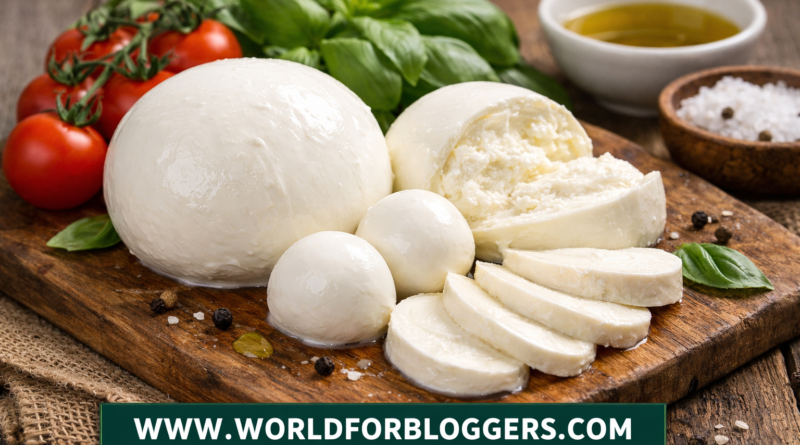
Buffalo Mozzarella: The Creamy Crown Jewel of Italian Dairy
When it comes to the pantheon of Italian ingredients, few items carry as much prestige and sensory delight as a fresh ball of porcelain-white cheese resting in its own milky brine. While many are familiar with the standard cow’s milk variety found on supermarket shelves, the true aficionado knows that buffalo mozzarella occupies a completely different culinary stratosphere.
Often referred to as the “Queen of the Mediterranean Diet,” this cheese is not just an ingredient; it is a cultural heritage protected by strict regulations and centuries of tradition. In this guide, we will dive deep into what makes this cheese so special, how it is made, and why it remains a non-negotiable staple for food lovers worldwide.
The Origin Story: From Water Buffalo to Table
The history of this dairy masterpiece is inextricably linked to the marshlands of southern Italy, specifically the regions of Campania and Puglia. History suggests that water buffalo were introduced to Italy around the 12th century, though theories vary on whether they arrived via Sicily with Arab traders or were brought by migrating tribes from the East.
Regardless of their arrival, the water buffalo found a perfect home in the humid, swampy plains of the Volturno and Sele valleys. These hardy animals produced a milk that was significantly richer, higher in fat, and more nutritious than that of local cows. By the 18th century, the production of “Mozzarella di Bufala” had become a sophisticated industry, eventually earning the prestigious DOP (Denominazione di Origine Protetta) status. This designation ensures that any cheese bearing the name is produced following traditional methods within specific geographic boundaries.
The Science of Flavor: Why Buffalo Milk?
What exactly sets buffalo mozzarella apart from the fior di latte (cow’s milk mozzarella) we see on every pizza? The secret lies in the chemistry of the milk.
- Fat Content: Buffalo milk contains roughly double the fat content of cow’s milk. This results in a texture that is incredibly silky and a mouthfeel that is almost buttery.
- Protein Structure: The proteins in buffalo milk create a more delicate curd. When handled correctly, the cheese develops a thin, slightly elastic “skin” that pops when bitten, revealing a soft, moist interior.
- The Color: Unlike cow’s milk, which can have a yellowish tint due to carotenoids, buffalo milk is naturally devoid of these pigments. This gives the cheese its signature, bright “porcelain” white color.
The Art of Pasta Filata: How It’s Made
The production of this cheese is a rhythmic dance of heat, timing, and manual labor known as the pasta filata (stretched curd) method.
- Curdling: The fresh milk is heated and combined with natural whey starter and rennet. Once the curds form, they are allowed to rest and acidify.
- The Stretch: This is the most critical phase. The curds are immersed in near-boiling water. The cheesemaker uses a wooden staff to lift and pull the cheese until it becomes a shiny, elastic mass.
- The Shaping: In a traditional caseificio, two people work in tandem. One holds the long rope of cheese, and the other “mops” or shears off individual balls with their thumb and forefinger. This action—mozzare (to cut)—is where the cheese gets its name.
- Brining: The freshly formed balls are dropped into cold water to firm up and then moved into a light saline solution for flavor.
Identifying Quality: How to Spot the Real Deal
With the rise of “gourmet” labeling, it can be difficult to discern authentic buffalo mozzarella from clever imitations. If you are looking for the gold standard, keep these indicators in mind:
| Feature | Authentic Buffalo Mozzarella | Cow’s Milk Substitute |
| Color | Brilliant, snowy white | Pale yellow or cream |
| Texture | Soft, layered, and weeps milk when cut | Rubbery, consistent, and dry |
| Scent | Hints of musk, fresh cream, and grass | Mild, lactic, or odorless |
| Taste | Sweet but slightly tangy/acidic | Salty and neutral |
When purchasing, always look for the DOP seal on the packaging. If the cheese is sitting in a dry plastic vacuum seal without liquid, it is likely not the fresh, artisanal product you are looking for.
Culinary Applications: Beyond the Caprese
While a simple salad of tomatoes, basil, and olive oil is the most iconic way to enjoy buffalo mozzarella, its versatility extends far beyond the basics. Because of its high moisture content, using it in cooking requires a bit of finesse.
1. The Perfect Neapolitan Pizza
On a Margherita pizza, buffalo milk cheese provides a richness that cow’s milk simply cannot match. However, because it is so moist, many chefs recommend “weeping” the cheese (slicing it and letting it drain in a colander for 30 minutes) before placing it on the dough. This prevents your pizza from becoming a soggy soup.
2. Warm Preparations
Try “Mozzarella in Carrozza”—a sophisticated Italian version of a grilled cheese sandwich. The cheese is sandwiched between bread, dredged in egg and flour, and fried until golden. The buffalo fat melts into the bread, creating a decadent, gooey center.
3. Raw and Simple
For the purest experience, serve the cheese at room temperature. Cold temperatures mute the delicate fats and aromas. Drizzle it with a high-quality balsamic glaze or, better yet, just a pinch of flaky sea salt and a crack of black pepper.
Health Benefits: A Nutritious Indulgence
Surprisingly, choosing buffalo mozzarella isn’t just a win for your taste buds; it has several nutritional advantages over traditional cow’s milk products.
- Higher Calcium: It contains significantly more calcium, which is vital for bone health.
- Rich in Antioxidants: The milk is high in vitamins A and E, as well as zinc.
- Lower Cholesterol: Despite having a higher fat content, studies have shown that buffalo milk actually has lower cholesterol levels compared to cow’s milk.
- Digestibility: Some people who have mild sensitivities to cow’s milk find buffalo dairy easier to digest due to different protein structures (specifically A2 beta-casein).
Sustainability and the Future of the Craft
As global demand for premium Italian dairy grows, the industry faces the challenge of maintaining quality while scaling production. Artisanal producers are increasingly focusing on the welfare of the buffalo, knowing that a stressed animal cannot produce the high-quality milk required for world-class cheese.
The future of buffalo mozzarella lies in the hands of small-scale farmers who refuse to cut corners. By supporting DOP-certified producers, consumers help preserve a tradition that dates back nearly a millennium. It is a reminder that in a world of fast food and processed ingredients, some things are worth the wait, the price, and the reverence.
Conclusion
Whether you are enjoying it on a sun-drenched terrace in Naples or at your own kitchen table, buffalo mozzarella offers a taste of Italian history. Its unique combination of a porcelain exterior and a cream-filled heart makes it a sensory experience unlike any other. It is the ultimate testament to the idea that when you start with incredible raw materials and treat them with respect, the result is nothing short of culinary magic.
Next time you visit your local cheesemonger, look past the ordinary and reach for the extraordinary. Your palate will thank you.
Read also our recently blog: Landbouw Economisch Instituut